EDITOR’S NOTE (March 2026): This post was originally written in 2019. I’ve completely overhauled the math and the philosophy to reflect the 2026 financial landscape and my own ongoing journey to a January 1, 2028 retirement date.
When most people hear the word “retirement,” they picture a pair of seniors on a park bench feeding pigeons before heading back to the home for bingo. That’s the script we’ve been sold for 80 years: Get a job, grind for 45 years, and pray your knees still work when you hit 65.
After three decades in the workforce, I can tell you: That script is broken.
The FIRE movement (Financial Independence, Retire Early) isn’t just about quitting a job; it’s about reclaiming your time while you’re still young enough to enjoy it. But there is a massive misunderstanding about what “retirement” actually means in 2026.
The Core Difference: Obligation vs. Choice
The difference isn’t about what you do; it’s about why you’re doing it.
- Traditional Retirement is an exit from the workforce, usually dictated by a government-mandated age (62, 65, or 67). It often means you stop working because you’re tired or “done.”
- Financial Independence (FI) is a math equation. It means your assets generate enough income to cover your life. You can still work, but you no longer need the paycheck to survive.
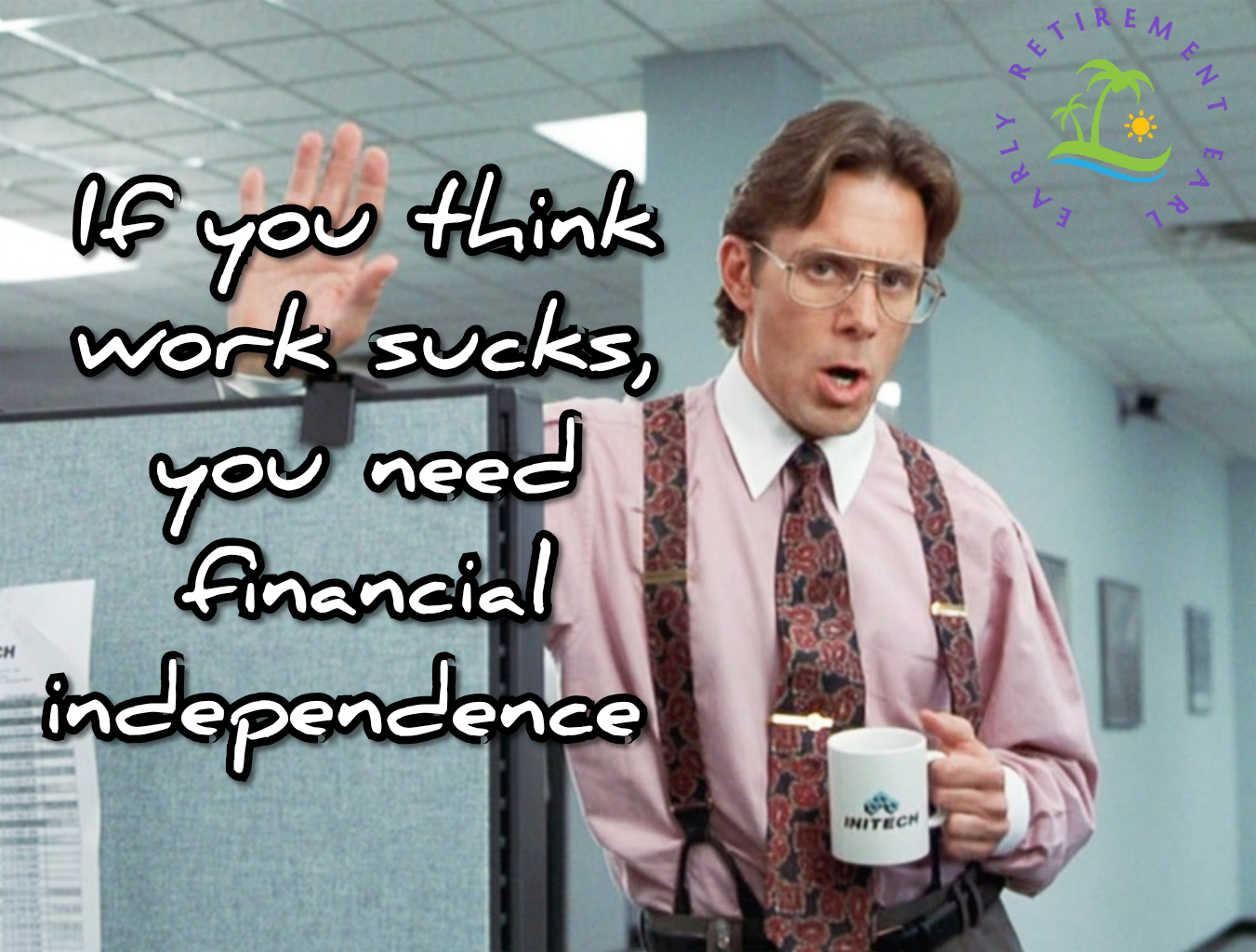
In short: Retirement is a destination. Financial Independence is a superpower.
The “Government Definition” is a Moving Target
Society tries to make retirement objective by tying it to your birth year.
- 59 ½: When the IRS finally lets you touch your own 401(k) without a penalty.
- 62: When you can take a “haircut” on your Social Security.
- 67+: When the government decides you’ve earned your full benefits.
The problem? The government can’t even agree on the age. Relying on their timeline is a gamble I’m not willing to take, and neither should you. Retirement is deeply personal—like happiness or success—and it cannot be defined by a bureaucrat in D.C.
Why the Critics Get It Wrong (Suze & Kevin)
High-profile financial “celebrities” love to bash the FIRE movement because it threatens their business model.
- Suze Orman has famously claimed you need $10M or $20M to retire. She ignores the nuance of Lean FIRE or lifestyle design to scare people into staying in the “system.”
- Kevin O’Leary (Shark Tank) said early retirement is “boring.” He missed the point entirely. He “retired” and then went back to work on projects he loves—which is exactly what the FIRE movement advocates for.
The “RE” (Retire Early) part of the acronym is what causes the confusion. If we just called it “FI,” the critics would have nothing to complain about. It’s not about sitting on a couch; it’s about having the freedom to pursue passion projects, design board games, or be a primary care parent on your own terms.
2026 Strategy: The “Bridge” and the “Safe Rate”
The world has changed since I first wrote about this. In 2026, we have to be smarter:
- The Safe Withdrawal Rate: The old 4% rule is a baseline, but with current market volatility, I’m leaning toward a 3.8% or 3.9% rate for my own “Project 2028” calculations.
- The Infrastructure: Forget dead tools like Mint. Use Empower or Monarch to track your “Net Worth vs. Freedom” gap.
- The “Gap” Plan: You need a bridge fund (taxable brokerage or cash) to carry you from your retirement date to age 59 ½.
Which is Better?
Neither is “better”—it’s about what you value. If you love your career and want to spend every dime you make, go for it. But if you want to tell your boss to “shove it” and walk out of the office with a marching band behind you, you need to embrace Financial Independence.
The choice is yours. Just don’t let someone else’s spreadsheet define your life.
Earl out.

He didn't just save his way to freedom; he built a compounding engine. By combining "Bogleheads" index investing with a conservative options strategy, Earl turned a late start into a total victory. He’s not just talking theory—he’s living the math. Last year alone, Earl generated $78k in options premiums via the "Wheel" strategy and ~$400/month in passive dividends, proving that liquidity is the true key to quitting early.
Launched in 2019, EarlyRetirementEarl.com is a no-BS zone for dads and late-starters who want actionable, battle-tested steps to freedom. Featured on ThinkSaveRetire, ESI Money, Budgets are Sexy, and Camp Fire Finance, Earl’s mission is to share the financial literacy he was never taught in school. No fluff, no gurus—just the math.
Not financial advice. I’m not a CFP or licensed advisor. All numbers are historical; markets fluctuate. Past performance is not indicative of future results. Do your own research and consult a professional.