Updated April 7, 2026 Original Post March 23, 2019
Looking back on my nine-year journey from debt to financial independence—reaching a $2 million net worth in 2024—one lesson stands above the rest:
Flashy growth stocks grab headlines. Blue chips quietly build fortunes.
If your goal is long-term financial independence—especially FIRE (Financial Independence, Retire Early)—you need investments that can survive recessions, inflation spikes, tech bubbles, and the occasional market panic.
That’s why the core of my portfolio is built on blue chip stocks and broad market index funds. They may not be exciting. But over decades, they win more often than they lose.
What Actually Makes a Stock “Blue Chip”?
The term blue chip comes from poker, where blue chips carry the highest value at the table. In investing, blue chips share several defining characteristics:
- Scale: Large, established companies with global reach.
- Moats: Durable competitive advantages (“economic moats”).
- Consistency: Consistent earnings across decades.
- Financial Strength: Strong balance sheets and cash flow.
- Leadership: Proven management teams.
- Shareholder Yield: Long records of returning capital to shareholders.
These companies are deeply embedded in everyday life. Think about it: the phone in your pocket, the software powering businesses, the payment network behind your credit card, and the household products in your kitchen.
Companies like Apple, Microsoft, Visa, and Procter & Gamble aren’t trendy—they’re infrastructure for the modern economy. And infrastructure tends to last.
Why Institutional Investors Favor Blue Chips
There’s a reason pension funds, insurance companies, and large asset managers allocate billions to blue chip stocks. They provide something most investors underestimate: reliability.
Blue chips tend to offer several advantages:
1. Consistent Earnings
Many have produced profits for decades—even during recessions.
2. Experienced Leadership
Management teams have navigated multiple economic cycles and crises.
3. Shareholder Returns
Blue chips frequently reward investors through:
- Dividends
- Share buybacks
- Steady earnings growth
4. Massive Market Presence
These companies dominate major indices like the S&P 500, meaning investors around the world continually allocate capital to them. When markets get volatile, money flows toward stability.
The “Sleep-at-Night” Factor
One of the most underrated aspects of investing is psychological. Volatility can destroy investor discipline. A portfolio that drops 60% in a bear market might look fine on paper, but in reality, many investors panic and sell at the worst possible time.
Blue chip stocks help solve that problem. Historically they tend to:
- Fall less during downturns.
- Recover faster during rebounds.
- Continue paying dividends even in rough markets.
That combination creates something invaluable: the ability to sleep at night while your investments compound.
The Compounding Power of Dividends
Dividend investing often gets dismissed as boring. But boring can be extremely powerful. Many blue chips qualify as:
- Dividend Aristocrats — Companies that have increased dividends for 25+ years.
- Dividend Kings — Companies with 50+ consecutive years of increases.
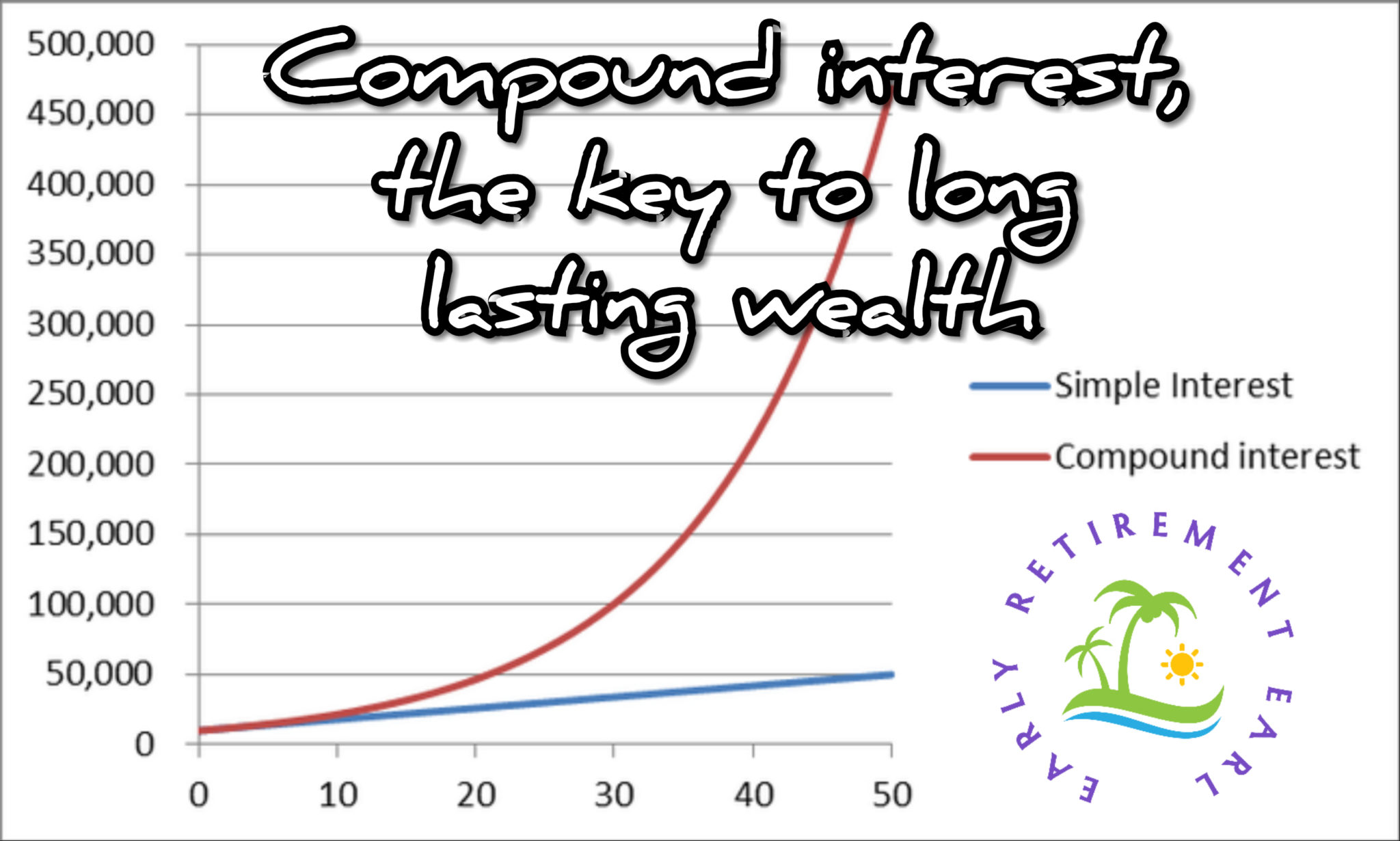
Today my portfolio generates roughly $400 per month in dividends, which I reinvest through DRIPs (Dividend Reinvestment Plans). Early in an investing journey, those dividends buy additional shares. Over time, those shares produce more dividends. That’s the quiet snowball effect of compounding.
A Hard-Earned Lesson: The GE Trap
Of course, even blue chips carry risk. I learned that the hard way. In 2018, I held General Electric, once considered one of the most iconic American companies. Then the decline began.
Strategic mistakes, debt, and shifting energy markets slowly eroded the business. I held on too long and ultimately lost more than half of my position. That experience reinforced a critical investing rule: Blue chip status is not permanent. History and reputation matter—but business quality matters more.
My 2026 Blue Chip Watchlist
The strongest blue chip companies today combine long-term durability with exposure to powerful growth trends. Here are ten companies I currently watch closely:
- Microsoft (MSFT): A dominant force in enterprise software and AI.
- Apple (AAPL): One of the most powerful consumer ecosystems ever created.
- Johnson & Johnson (JNJ): A healthcare giant with decades of dividend growth.
- Visa (V): The tollbooth of global digital payments.
- Procter & Gamble (PG): Household staples that remain resilient.
- Coca-Cola (KO): A classic Dividend King.
- JPMorgan Chase (JPM): Arguably the strongest major U.S. bank.
- Walmart (WMT): Retail dominance with expanding e-commerce.
- Chevron (CVX): Energy exposure with strong cash flow.
- Taiwan Semiconductor (TSM): The manufacturing backbone of the AI chip boom.
My Portfolio Approach: Indexing First, Picking Second
Even great companies carry individual risk—what I call “the GE problem.” That’s why most of my portfolio sits in diversified index funds:
- VOO – Broad exposure to the S&P 500.
- SCHD – A dividend-focused ETF with high-quality companies and strong yield.
Individual stock picks are satellites around that core, not the foundation.
A Note on Options: The Wheel Strategy
For additional income, I occasionally run a conservative Wheel strategy on select blue chip stocks. Last year that strategy generated roughly $78,000 in additional income (humble brag). However, options add complexity and risk; the real engine remains owning great businesses and letting time do the work.
The Real Secret of Long-Term Wealth
Successful investing is often about avoiding big mistakes rather than chasing big wins. Blue chip companies tilt the odds in your favor. They won’t make you rich overnight, but over 20 or 30 years, they can quietly build life-changing wealth.
While others chase the next hot IPO or meme stock, I prefer companies that already run the world’s economy.
Do your research. Keep fees low. Diversify wisely. And give compounding the time it needs to work.
If you want to really see the power of compounding, mess around with my compound interest calculator and others in the early retirement 5 tool calculator suite.
Invest wisely,
Earl

He didn't just save his way to freedom; he built a compounding engine. By combining "Bogleheads" index investing with a conservative options strategy, Earl turned a late start into a total victory. He’s not just talking theory—he’s living the math. Last year alone, Earl generated $78k in options premiums via the "Wheel" strategy and ~$400/month in passive dividends, proving that liquidity is the true key to quitting early.
Launched in 2019, EarlyRetirementEarl.com is a no-BS zone for dads and late-starters who want actionable, battle-tested steps to freedom. Featured on ThinkSaveRetire, ESI Money, Budgets are Sexy, and Camp Fire Finance, Earl’s mission is to share the financial literacy he was never taught in school. No fluff, no gurus—just the math.
Not financial advice. I’m not a CFP or licensed advisor. All numbers are historical; markets fluctuate. Past performance is not indicative of future results. Do your own research and consult a professional.